History of Human Behavior Study
DISC is the evolution of observing human behavior through thinkers from all eras


As Ancient As Humanity
Evolution of Human Behavior Study
The observation and study of human behavior are as ancient as humanity itself. Throughout history, numerous thinkers have reflected on why people act as they do. All noticed common behaviors among different types of individuals. Many of these early philosophers and scholars laid the groundwork for modern theories and principles of human behavior.
The DISC language, as a contemporary framework for understanding behavior, also emerged from similar observations.
The quest for understanding human behavior has been a central theme throughout the history of various disciplines. From philosophy and psychology to sociology and anthropology.
Ancient civilizations, including Greek and Egyptian, delved into the nature of human actions and their motivations. Their purpose was to understand the essence of what drives individuals.
During the early stages of the evolution of human behavior study, philosophical exploration predominated. Thinkers like Aristotle and Plato offered theories about human nature and conduct.
1875-1921 A.D.
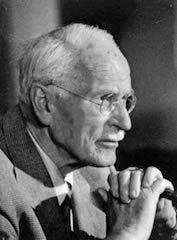
Carl Gustav Jung
Carl Jung's theory of psychological types is a cornerstone of his analytical psychology. He proposed that differences in behavior result from individuals' inherent preferences in how they perceive the world and make decisions. Jung identified two primary dichotomies of cognitive functions:
1. Perception Functions:
- Sensation vs. Intuition: This dichotomy refers to how people gather information from the world around them. Sensation types focus on concrete and factual information that is directly perceivable through the senses. They are detail-oriented and grounded in present reality. Intuitive types, however, are more drawn to possibilities, abstract information, and the big picture. They are future-oriented and often rely on perceptions or hunches rather than direct sensory experience.
2. Judgment Functions:
- Thinking vs. Feeling: This dichotomy relates to how people make decisions. Thinking types use logic and objective criteria to make decisions. They value principles, consistency, and impersonal analysis. Feeling types, on the other hand, prioritize emotions and human values in decision-making. They are more empathetic and consider the impact of decisions on others.
Additionally, Jung introduced the concepts of Extraversion and Introversion as attitudes that influence the direction of these cognitive functions.
Extraverts are oriented outward, toward the external world, and gain energy from interaction and action. Introverts are oriented inward, toward the internal world, and gain energy from reflection and solitude.
These cognitive functions and attitudes combine to form different personality types.
For example, an individual might be an extraverted thinker, an introverted feeler, etc. Jung's psychological types provided a framework for understanding the diverse ways in which people perceive the world and make decisions.
130 B.C.
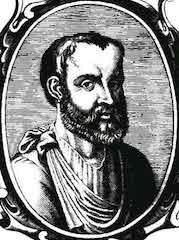
Galen
Galen, an influential Greek physician and philosopher, expanded Hippocrates' theory of the four humors, linking them more explicitly to personality types. Galen's theory suggested that the balance or imbalance of these humors in the body influenced not only physical health but also psychological traits and temperaments.
In Galen's theory of the four humors, each humor corresponds to a distinct personality type:
Sanguine individuals, influenced by blood, are typically optimistic, sociable, and enthusiastic, although they can be impulsive.
Choleric personalities, associated with yellow bile, are passionate, ambitious, and assertive leaders, but often quick-tempered.
Those with a melancholic temperament, influenced by black bile, are introspective and analytical but may tend toward anxiety and sadness.
Lastly, phlegmatic individuals, governed by phlegm, are calm, reliable, and rational, known for their peacekeeping abilities. Though sometimes seen as unambitious and resistant to change.
Galen's interpretation of the humors had a significant and lasting impact on medieval and Renaissance medicine and psychology. His work influenced the understanding of personality well into the 18th century. He linked physical health with psychological well-being and personality traits.
400 B.C.
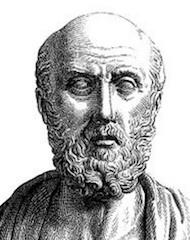
Hippocrates
Hippocrates, often called the "Father of Medicine," is known for his influential theories about bodily humors, which he extended to explain personality traits.
Hippocrates' theory of personality, rooted in the concept of four bodily humors, linked individual temperaments to the balance of these fluids.
The sanguine temperament, associated with blood, described individuals as sociable, optimistic, and active, reflecting a carefree and impulsive nature, similar to the element of air.
In contrast, the choleric temperament, linked to yellow bile, characterized people as fiery, passionate, and ambitious, often assertive and dominant, akin to the element of fire.
On the other hand, black bile was associated with the melancholic temperament, representing introspective, reflective individuals prone to gloom, often analytical and detail-oriented, reflecting the element of earth.
Finally, the phlegmatic temperament, connected to phlegm, described people as calm, reliable, and relaxed, typically passive and consistent, similar to the element of water. The belief that these humors influenced physical health and people's emotional state formed the basis of Hippocrates' understanding of personality.
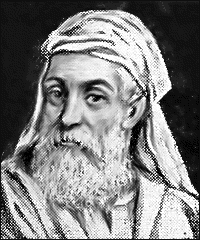
444 B.C.
Empedocles
Empedocles, a pre-Socratic Greek philosopher, proposed a theory of four classical elements that he believed constituted the physical universe: earth, air, fire, and water. Although Empedocles did not directly apply these elements to personality theories as we understand them today, his ideas laid the groundwork for later conceptions of personality in ancient medicine and philosophy.