Marston's DISC Method
Understanding and applying psychological principles to normal human behavior to improve lives

Normal Behavior
Background of Marston's DISC Method
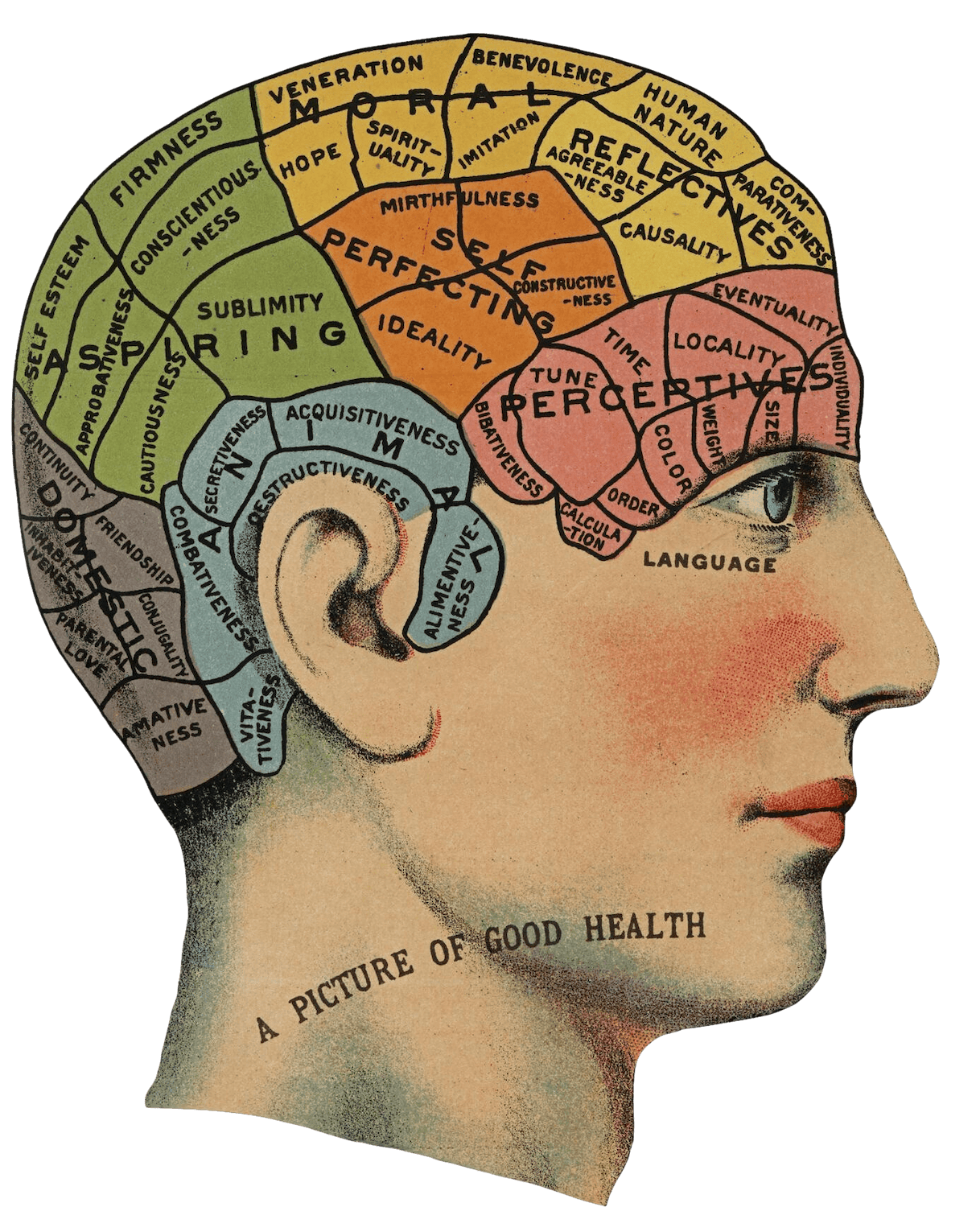
William Moulton Marston focused his psychological interest on "normal" or typical individuals. He was intrigued by the everyday challenges faced by ordinary people, rather than psychotic behavior or mental illness in general.
Marston sought to develop a unit for measuring "mental energy," essentially to "understand and describe normal common behavior" based on how each person distributes, directs, and externalizes this "mental energy."
The DISC model emerged in part from his research on measuring behavioral energy and consciousness. However, his main goal in developing DISC theory was to illustrate his views on human motivation.
In 1928, Marston published Emotions of Normal People and, although he had written about the DISC method four years earlier, it was in this book where he formally presented DISC Theory.
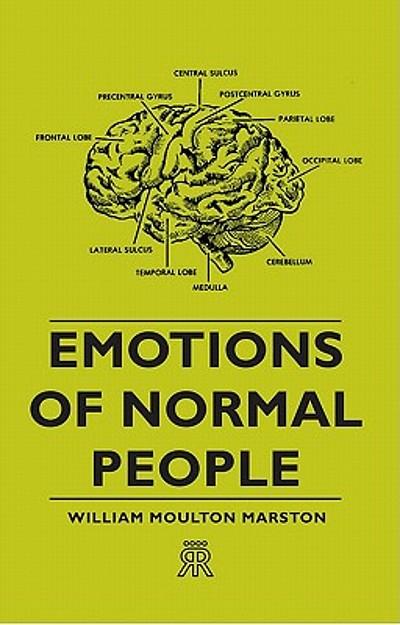
Emotions of Normal People is a foundational work in psychology, known primarily for introducing Marston's DISC method, which forms the basis for understanding behavioral styles and personality types. The book contains several key theories.
4 Key Emotions
The DISC Theory
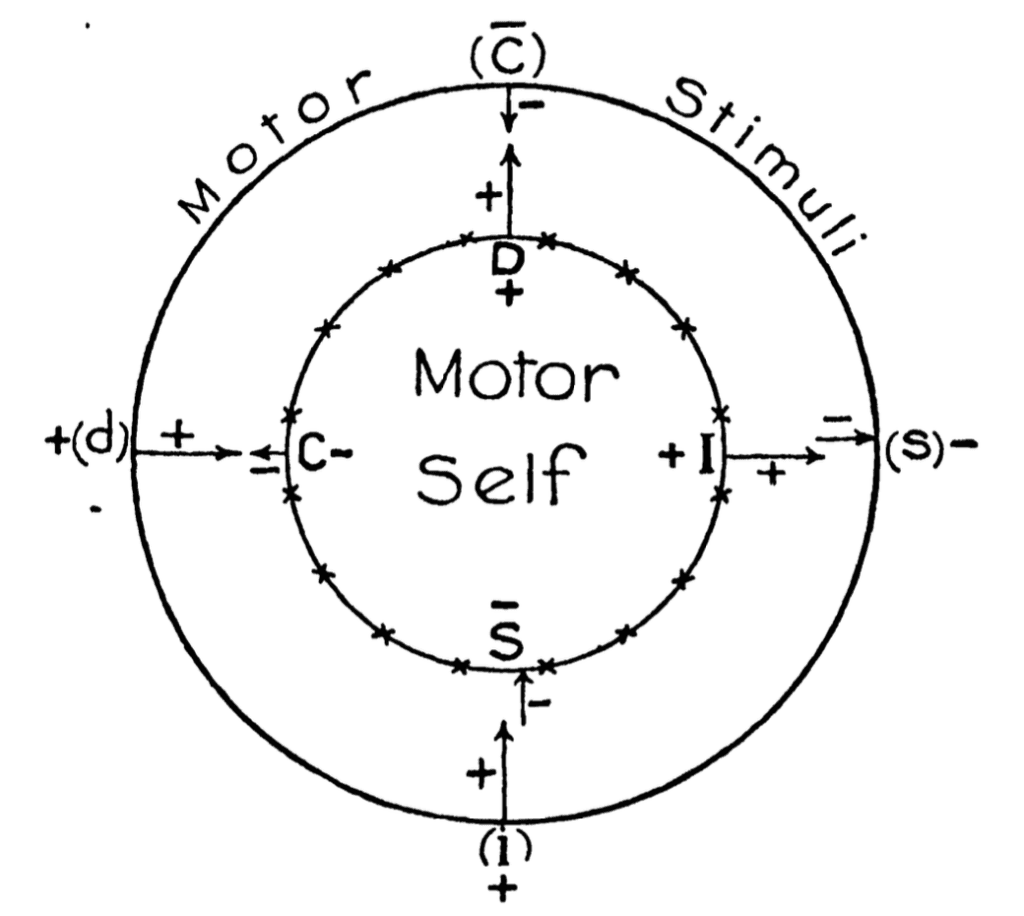
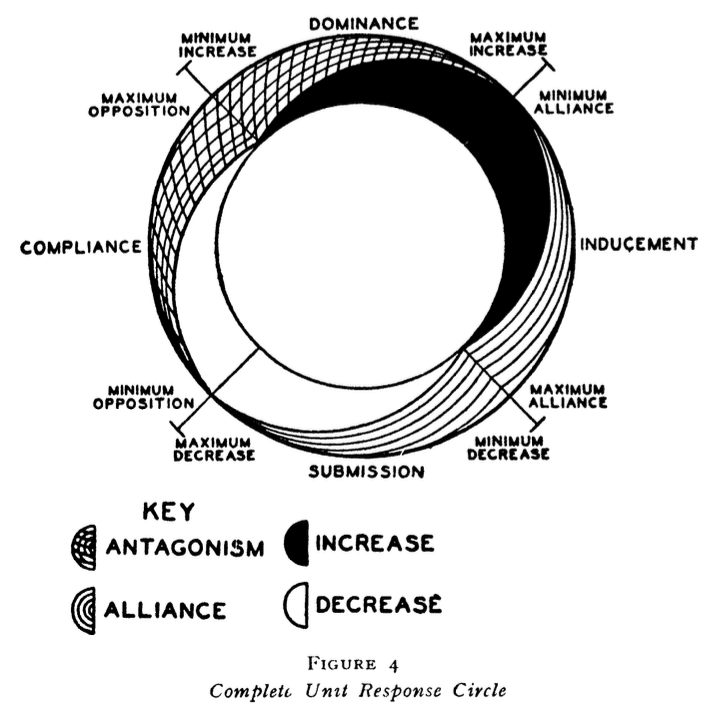
Marston categorizes human behavior into four primary emotions and associated behavioral styles*: Dominance (D), Inducement (I), Submission (S), and Compliance (C).
He suggests that these behaviors are expressions of the range of emotions that people exhibit in response to their environment, particularly in situations perceived as favorable or unfavorable conditions.
*Original terms used by Marston. Throughout the rest of the content, more common modern terms will be used, although there may be variations in the market.
Dominance or Decisiveness (D)
Individuals who exhibit dominance respond to challenges with assertiveness and control. They are goal-oriented, decisive, and enjoy overcoming obstacles. Dominance is expressed in situations where control and results are paramount.
Influence or Interaction (I)
This style is characterized by sociability, talkativeness, and persuasion. Influential individuals thrive in social situations and are effective at persuading or motivating others. Their behavior is most pronounced in interactive, people-oriented environments.
Steadiness or Serenity (S)
Individuals with a steadiness style value consistency and stability. They are reliable, supportive, and prefer predictable environments. They excel in roles requiring patience and persistence.
Compliance or Conscientiousness (C)
Compliance is characterized by adherence to rules, precision, and sensitivity to quality. These individuals are analytical and excel in structured, organized environments where details matter.
Behavioral Dimensions
Two Key Behavioral Dimensions
Marston's DISC method proposes two key behavioral dimensions:
Active-Passive Axis
This spectrum ranges from assertive and dynamic behaviors (active) to more reserved and reflective behaviors (passive). Individuals may display different levels of activity in response to various situations.
Favorable-Antagonistic Axis
This dimension assesses the individual's perception of their environment, ranging from favorable (friendly, supportive) to antagonistic (challenging, adverse). This perception significantly influences their behavioral response.
The intersection of these axes creates a complete map of human behavior, forming the foundation of DISC types.
Support vs. Hostility
Environmental and Perceptual Influence
In Emotions of Normal People, William Moulton Marston explores the profound impact of environmental and perceptual influences on human behavior. He emphasizes that individuals actively interpret their environment, shaping their responses and interactions.
Marston describes environmental perception as binary, where environments are perceived as either supportive or hostile.
Supportive environments foster open and collaborative behaviors and encourage creativity and risk-taking, influenced by feelings of security and encouragement.
Conversely, hostile environments lead to defensive or aggressive behaviors, driven by a survival mindset. In such settings, individuals focus on self-protection, often resulting in competitive or confrontational actions.

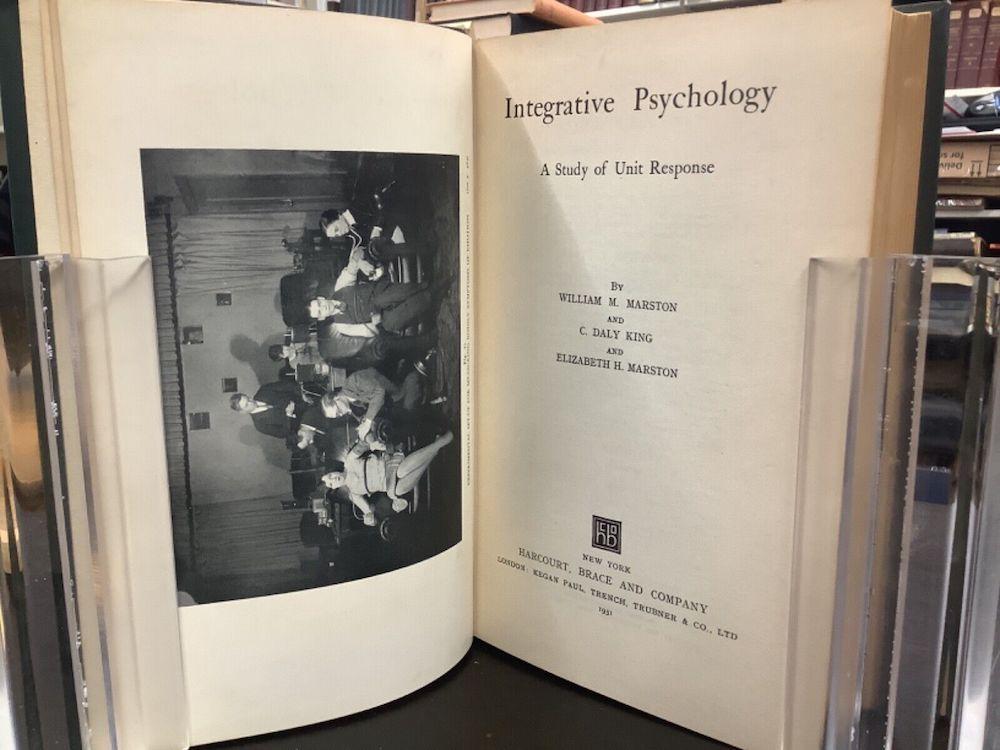
A Study of Unit Response
Integrative Psychology
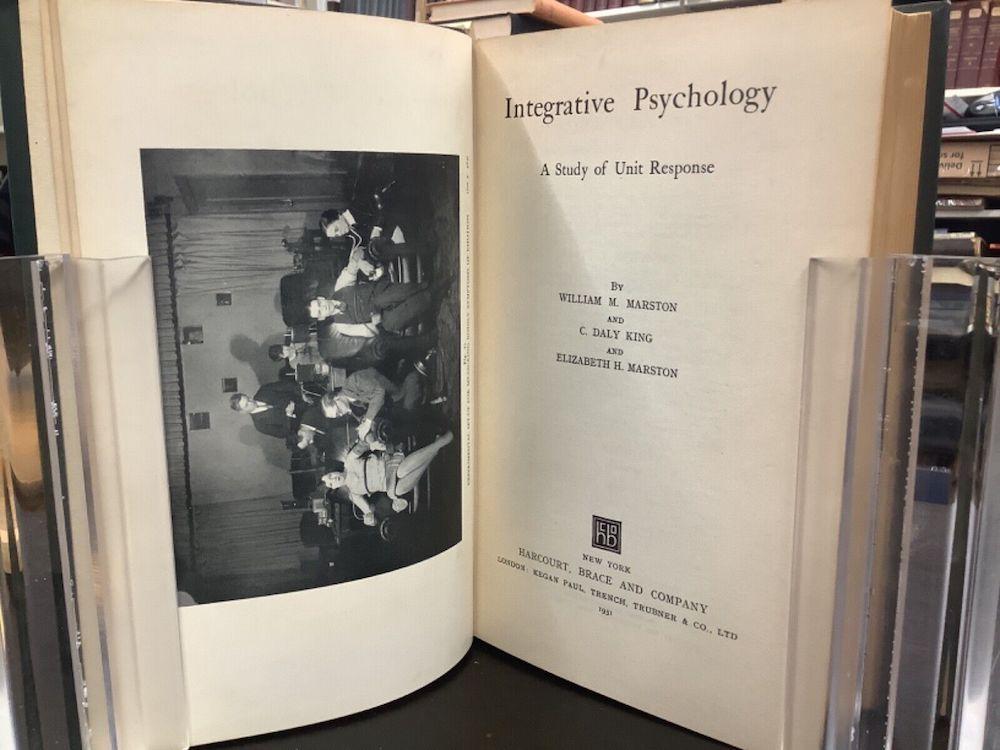
Integrative Psychology: A Study of Unit Response is a book by William Moulton Marston, C. Daly King, and Elizabeth Holloway Marston, first published in 1931. The book is an attempt to organize the field of psychology for students. It conducts a critical examination of various psychological and semi-psychological attempts to classify fundamental human activities and then attempts to postulate elementary behavioral units that can serve psychology, precisely as the atom and electron have served chemistry.
Psychology should be based on the study of unit responses.
Marston believed that the basic unit of behavior is the unit response, which is a reaction to a stimulus. He identified three types of unit responses:
- •Sensory responses: These are responses to internal or external stimuli that lead to sensations.
- •Perceptual responses: These are responses to sensations that lead to perceptions.
- •Motor responses: These are responses to perceptions that lead to actions.
Marston's approach in Integrative Psychology is characterized by its emphasis on integrating various psychological components, including emotions, behavior, and environmental factors. It delves into the complexities of human nature, exploring how these elements interact and influence each other.
Life and Endeavors
Marston's Legacy
Marston's work was pioneering in its research approach. In the sense that he moved away from pathologizing human behavior and instead focused on the range of normal human emotions and responses. His emphasis on the influence of environment and perception on behavior laid the groundwork for modern personality assessments. He was influential in the fields of psychology and business, especially in areas such as personal development, team building, and leadership training.
You can download his books here.