What is DISC?
The DISC model is a powerful and insightful tool for understanding human behavior

The Language of Behavior
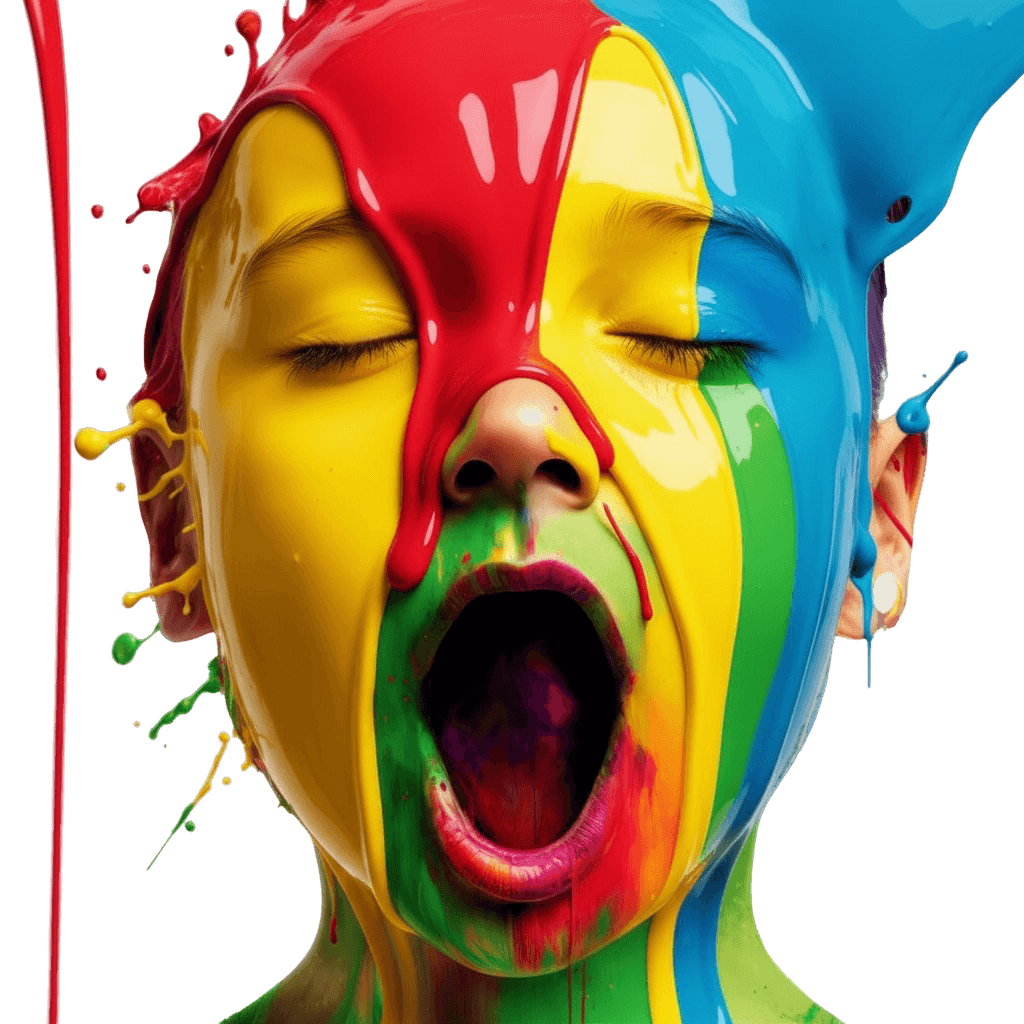
Developed by William Moulton Marston, the DISC model describes four behavioral styles: Dominance (D), Influence (I), Steadiness (S), and Compliance (C). People have a blend of these styles, with some being more dominant.
The Four Behavioral Styles
DOMINANCE (D)
Dominance refers to how an individual approaches problems and challenges.
- •Direct, assertive, and competitive
- •Prefer leading and quick decision-making
- •Result-oriented
- •Can be perceived as forceful
INFLUENCE (I)
Influence focuses on how individuals interact with others and influence their environment.
- •Communicative and sociable
- •Good at persuading and motivating
- •Thrive in group settings
- •Can be impulsive
STEADINESS (S)
Steadiness examines how individuals respond to pace and consistency in the environment.
- •Value stability and consistency
- •Patient and loyal
- •Good team players
- •Struggle with change
COMPLIANCE (C)
Compliance is about how individuals approach precision and quality.
- •Detail-oriented
- •Analytical and systematic
- •Respect established norms
- •Can be overly critical
- •Risk-averse
DISC Behavioral Patterns
The DISC model becomes more interesting when we consider the combinations of its primary factors: Dominance (D), Influence (I), Steadiness (S), and Compliance (C).
Each individual's behavior generally reflects a mixture or combination of two or three factors, which increases the nuanced understanding of their personality and behavioral style.
It's important to remember that the characteristics of each profile are "behavioral tendencies" and not strict labels or categories.
People are dynamic and can exhibit different traits in different contexts. Understanding combinations in the DISC language can help in personal development, improving team dynamics, and optimizing communication and leadership styles.
Understanding these patterns is fundamental to effectively applying the DISC model in personal and professional contexts.

Three-Dimensional Behavior
In DISC evaluations, the concepts of Natural, Adapted, and Self-Perception Profiles are key to understanding behavioral dynamics:
Natural Profile
Reflects a person's intrinsic behavior in comfortable, stress-free environments. It shows their genuine, unadapted response patterns and is considered their true behavioral style.
Adapted Profile
Represents how individuals adjust their behavior in response to their external environment, particularly in work or social settings. It highlights changes they make consciously or unconsciously to meet external demands or expectations.
Self-Perception Profile
This profile is based on how individuals perceive themselves, which may or may not align with their Natural or Adapted profiles. It offers insight into their self-awareness and how they believe they should act in various situations.
A Transformational Tool
Understanding and learning the DISC language can lead to significant personal transformation. By recognizing your own DISC profile, you gain insight into your natural tendencies, strengths, and areas for growth. You acquire new self-awareness capable of leading to better self-management, improved decision-making, and increased emotional intelligence.
With the DISC language you develop greater awareness of how your actions and communication style affect others. As a result, your interactions are effective in all aspects of your life.
The impact of learning what DISC is and applying it in personal, family, and professional life is profound.
The DISC method leads to renewed relationships and communications. Additionally, you increase your understanding of yourself and others. This holistic development in interpersonal dynamics fosters an environment of empathy, cooperation, and productivity, transforms individual interactions, and contributes to building a more harmonious and effective community and work environment.